The SSAA has engaged WSP Australia to prepare guidance on batteries in self storage facilities across Australia and New Zealand.
Lithium-ion batteries are used in a wide range of consumer products. There are growing concerns about the quality and safety of some lithium-ion batteries following an increase in incidents and fires in recent years.
Lithium-ion batteries are included in the list of dangerous goods outlined in the self storage agreement. Storers are prohibited from storing dangerous goods.
Whilst the storage agreement offers a level of protection, members will appreciate the challenges of ensuring that storers carefully follow this guidance, particularly with lithium-ion batteries becoming more commonplace.
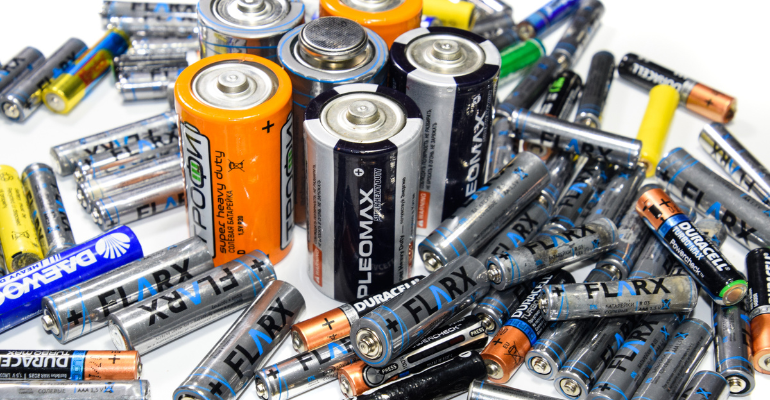
Not all batteries are the same or present the same level of risk, so it is important members take the time to understand more about different types of batteries and the risks associated with them.
The comprehensive guidelines to storing batteries, which are available on the member portal, cover everything from the definitions for the most common types of batteries to everything you need to know and have on-hand to make sure your facility is safe when storing them.
Members should be aware that:
- The self storage agreement prohibits the storage of dangerous goods, including batteries
- Some storers may not ordinarily think about the items being placed into storage, or be aware that certain goods contain batteries
- Operators should take steps to highlight the exclusions to storers and consider safe operational practices
Understanding Battery Types: The 2 most common:
- Lithium-Ion Batteries: Lithium-ion batteries are some of the most commonly used batteries despite their cost as they generally have low maintenance requirements and can be charged and recharged many times with minimal loss of function. Lithium-ion batteries also tend to have quite long lifespans, generally able to last over 10 years, they work in a wide range of climates and can be used to almost their full capacity. These advantages are the predominant reason that lead-acid or nickel-based batteries, which were formerly the most abundant types, are being phased out and replaced by lithium-ion.
Why are Lithium-ion batteries classified as Class 9 Dangerous Goods:
Lithium-ion batteries are classified as Class 9 Dangerous Goods due to hazards such as fire, explosion, electrolyte leakage, and high temperatures. These risks can usually be mitigated by preventing thermal runaway, which can occur from using batteries outside their temperature range, incorrect charging, or overcharging. Proper handling to avoid moisture, physical damage, and using high-quality batteries also reduces risks. However, if thermal runaway or damage does happen, it can be challenging to control, leading to intense heat, potential toxic smoke, and hazardous clean-up. Lithium-ion battery fires are particularly difficult to extinguish and may re-ignite, with some types producing corrosive substances when exposed to water.
2. Lead-Acid Batteries:
Lead acid batteries, commonly used in cars, forklifts, golf carts, and backup power supplies, are known for being affordable and durable. However, they are typically larger, heavier, and less flexible than lithium-ion batteries. They have slower charging cycles and are sensitive to high temperatures. Lead acid batteries have been in use for over 100 years and come in two types: wet cell (vented) and sealed (valve-regulated). Wet cell batteries use a liquid electrolyte and can be refilled, while sealed batteries contain a gel or absorbed electrolyte, making them safer and more common.
Lead-acid batteries fall into Class 8 Dangerous Goods:
Lead-acid batteries are classified as Class 8 Corrosive Dangerous Goods due to their highly corrosive electrolyte, which is sulfuric acid mixed with water. This electrolyte can damage metals and cause serious harm if it comes into contact with skin. Lead-acid batteries also produce flammable hydrogen and oxygen gases during charging, which can pose a fire risk if not properly ventilated. Static electricity, sparks, or open flames can ignite these gases if they accumulate. Proper storage and ventilation are essential to mitigate these hazards.
Main Battery Hazards
If a battery is improperly charged, handled, stored or disposed of,
there is a risk of overheating, catching fire or explosion. The main battery hazards include, but are not limited to:
- Fire
- Explosion
- Toxic, hazardous and flammable gases
- Electrolyte leakage
- High temperatures
- Electrical discharge
- Arc flashing (energy release/short circuit)
These hazards can also increase the risk of personal injury and property damage.
Generally, lithium-ion battery hazards can be avoided by eliminating thermal runaway and minimising any physical damage to the battery.
Lead-acid battery hazards can generally be avoided by safe storage and minimising electrolyte spillage.
For further information on recognising damaged or faulty batteries, safe storage practices and emergency management, refer to the full guidelines.
Customer Awareness
It’s important customers are aware of batteries in self storage.
Customers are often using self storage at busy times in their lives. They may be getting ready to sell, moving house or storing items for sentimental reasons. For many reasons, customers may not always stop to think about what is being placed in self storage.
As operators, it is important to highlight what can and cannot be stored. Helping customers to stop and consider the nature of the goods being placed into storage is one way to minimise the risk of prohibited goods being stored.
The suggestions within the guidelines include practical ways to share information about dangerous goods with prospective or current customers, including:
- The self storage agreement
- Facility rules
- Facility signage
- Digital check-ins
Sample Data Safety Sheets
Log in to the SSAA Member Portal to access a range of sample data safety sheets for various battery types.
Online Learning
The SSAA has a range of Occupational Health and Safety online learning modules and resources developed in partnership with the SSAA OHS Help Desk partner,
Action OHS. Visit the Member Portal to learn more.
Further Resources
- National and state-based government agencies have a range of resources and consumer information on battery safety, including:
- ACCC Lithium-ion batteries and consumer safety
- NSW Office of Fair Trading
- Fire Rescue Victoria – search online for your state
- Fire and Emergency – New Zealand
- Battery Recycling Initiatives
Questions?
Please email the SSAA Help Desk at
membership@selfstorage.com.au or phone
AU 1800 067 313 | NZ 0800 444 356